



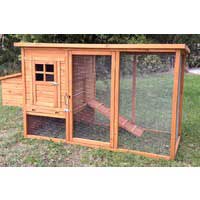
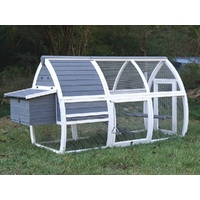
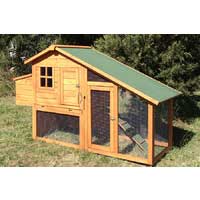
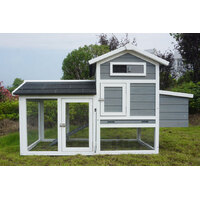
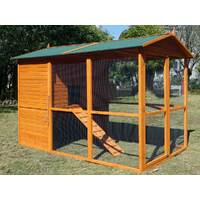
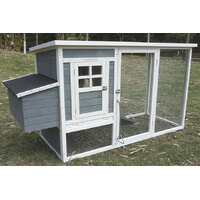
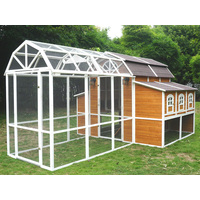
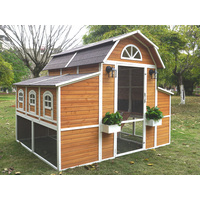
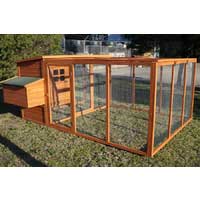
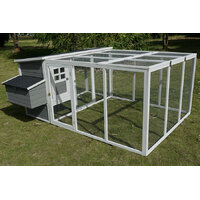
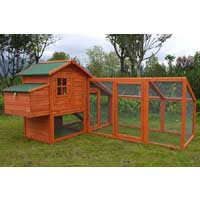
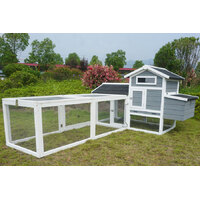
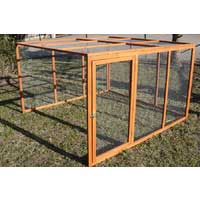
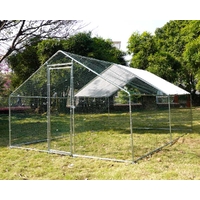
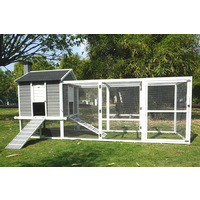
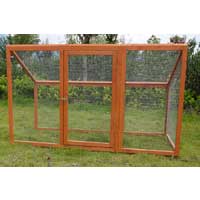
Duck Coops, Enclosures and Pens
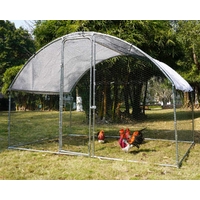
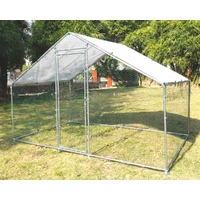
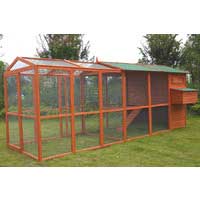
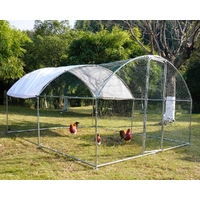
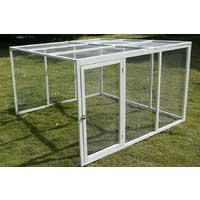
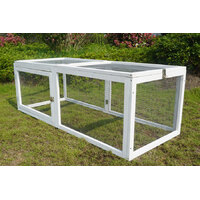
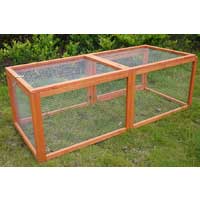
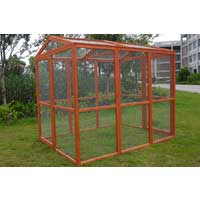
Create a safer, more practical outdoor home for your ducks with a spacious duck coop designed for shelter, movement and everyday care. Our range includes options for customers searching for a duck enclosure, duck pen or duck cage for their backyard or property. When choosing a suitable setup, consider how many ducks you keep, their adult size, access to weather protection and the amount of outdoor space available. Browse the range below to compare enclosure sizes, access doors and covered areas, and find a housing solution that supports your ducks’ daily needs.
Read more
Choosing the Right Duck Coop
A well-planned duck coop should give your ducks a secure place to rest while providing enough room for them to move comfortably. Ducks have different housing needs from chickens, so their enclosure should be selected and arranged with those differences in mind. If you also keep hens or other poultry, explore our chicken coops for housing designed around their roosting and nesting needs.
Ducks generally spend much of their time at ground level. They need an entrance that is easy to reach, good ventilation and a dry resting area protected from wind and rain. Steep ramps, high nesting areas and narrow openings may be difficult for some ducks to use.
Before purchasing, consider:
- The number and adult size of your ducks
- The amount of usable floor space
- Access to a dry, sheltered sleeping area
- Mesh strength and spacing
- Door size and position
- Drainage and ease of cleaning
- Shade and weather protection
- Local predator risks
Always compare the complete product dimensions with the space available in your backyard.
Duck Enclosures with Space to Move
A duck enclosure gives your birds a defined outdoor area in which to walk, forage and access their food and water. The enclosure should have enough usable space to prevent overcrowding, particularly if the ducks will spend extended periods inside it.
When comparing sizes, consider the enclosure’s overall footprint rather than its capacity description alone. Ducks need room to move around one another and access water and feeding areas without crowding. A larger duck pen can also make it easier to separate wet areas from resting and feeding zones.
If you need a spacious covered area with easier access for feeding and cleaning, compare our walk in chicken coop range. You can also explore our chicken runs for additional outdoor poultry enclosure options. Depending on their dimensions, mesh and configuration, selected models may also be adaptable for ducks.
For a larger flock, a large chicken coop may provide the additional housing and outdoor space you need. Check each product’s layout carefully, as ducks generally require accessible ground-level shelter rather than high roosting areas.
The number of ducks an enclosure can accommodate will depend on their breed, adult size, temperament and how much time they spend outside the enclosed area. Always follow appropriate animal-welfare guidance for your flock.
Does a Duck Coop Need a Covered Sleeping Area?
Ducks need a sheltered place where they can rest away from heavy rain, strong winds, extreme temperatures and predators. A suitable sleeping area should remain well ventilated without exposing the birds to direct draughts.
Unlike chickens, ducks usually do not need elevated roosting bars. A clean, dry floor with suitable bedding is generally more practical. The sleeping area should be easy for your ducks to enter and simple for you to inspect and clean.
A mesh duck cage or open run does not replace a weather-protected sleeping space. If the selected product is primarily an outdoor enclosure, you may need to add a compatible duck house or another suitable shelter inside it.
Water, Drainage and Cleaning
Ducks naturally create more moisture and mud around their water containers than many other poultry birds. Good drainage is therefore an important part of choosing the location for your duck coop.
Install the enclosure on stable, well-drained ground where possible. Consider placing drinking or bathing water in an area that can be cleaned easily and will not allow moisture to collect inside the sleeping space.
Ducks need drinking water deep enough to submerge their bills and clean their nostrils. If you provide a larger bathing container, ensure it can be emptied and refreshed safely. Open water should be positioned carefully to reduce contamination, excessive mud and damp bedding.
Regularly replace wet bedding, remove waste and check the enclosure for sharp edges, damaged wire or loose fittings.
Access Doors for Easier Duck Care
Convenient access is especially useful when cleaning a duck coop or replacing food, water and bedding. A walk-in duck pen can make routine maintenance easier, while smaller access doors may be useful for feeding or guiding ducks between different sections.
Check the height and width of each opening before ordering. Doors should allow comfortable access without creating large gaps when opened. Secure latches are important because poorly fastened doors can become a weak point in an outdoor enclosure.
Creating a Comfortable Outdoor Duck Pen
Position the duck pen where your birds can access shade during warm weather and protection from harsh conditions. Metal surfaces, roofs and exposed ground can become hot in direct Australian sun, so monitor conditions throughout the day rather than relying on morning shade alone.
Your ducks may also benefit from suitable enrichment, foraging opportunities and supervised access to a larger outdoor area. Avoid overcrowding and make sure all birds can reach food, clean water and shelter.
Product features vary between models. Review the individual specifications carefully to determine whether the duck cage includes a sheltered housing section, roof cover or only the external enclosure.
For other pets and small animals, browse our broader pet cage range. Always check the enclosure’s dimensions, mesh spacing and weather protection to determine whether it is suitable for the intended animal.
Frequently Asked Questions
What Size Duck Coop Do I Need?
The required size depends on the number, breed and adult size of your ducks, as well as how much time they will spend inside. Choose a coop with enough floor space for all birds to move and rest comfortably, with additional room for food, water and shelter.
What Is the Difference Between a Duck Coop and a Duck Enclosure?
A duck coop usually refers to a sheltered housing or sleeping area. A duck enclosure or duck pen is generally the larger outdoor area where ducks can move and forage. Some products combine both areas, while others provide only the external enclosure.
Can Ducks Live in a Chicken Coop?
Some chicken coops may be adaptable for ducks if they offer sufficient floor space, ventilation and easy ground-level access. Ducks generally do not need roosting bars and may struggle with steep ramps. The coop must also provide a dry, secure sleeping area.
Does a Duck Pen Need a Roof?
Roof coverage can help contain the ducks and offer some protection from predators and weather. The amount of coverage required depends on the enclosure design, your ducks and local conditions. A mesh roof alone does not replace proper shade or a weatherproof shelter.
What Flooring Is Suitable for a Duck Coop?
The floor should be stable, comfortable, easy to maintain and able to remain reasonably dry. Suitable flooring depends on the enclosure and location, but drainage is particularly important because ducks often splash water around drinking and bathing areas.
Can a Duck Cage Be Used for Ducklings?
Only if the mesh spacing, temperature, shelter and overall setup are appropriate for young ducklings. Ducklings have different warmth and protection requirements from adult ducks and can escape through gaps that would contain larger birds. Check the enclosure carefully before use.
